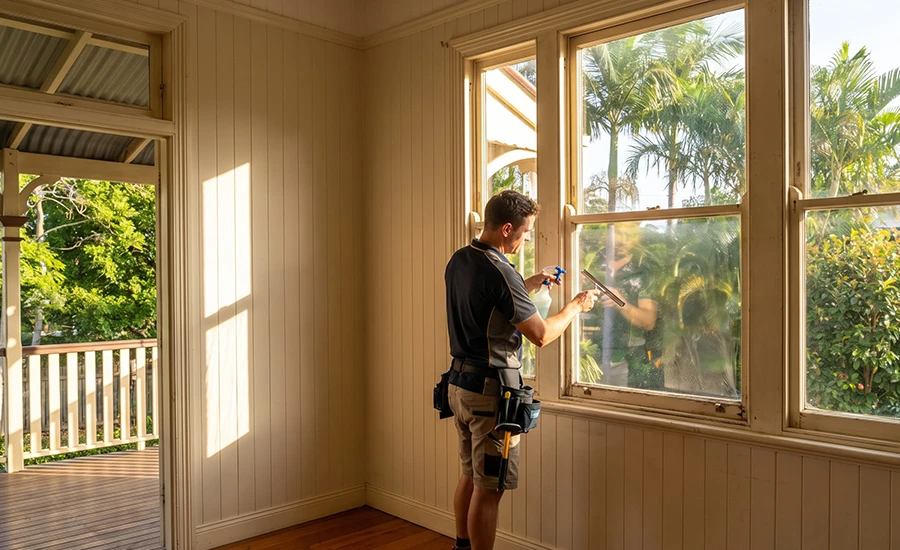
If you live in a classic Queenslander, you already know the trade-off. Those big timber sash windows are part of what makes the house what it is, but single-glazed glass and no insulation to speak of means the western rooms turn into a furnace by mid-afternoon. Before you consider replacing them, it’s worth understanding what home window tinting can actually do for old timber sash windows, and where it can’t help.
Why Single-Glazed Sash Windows Struggle in Queensland Heat
Single glazing has almost nothing standing between the sun and your living room. There’s no gas gap, no low-E coating, just one pane of glass doing all the work. Add in a timber frame that was built for airflow and character rather than thermal performance, and you’ve got a window that lets heat and harmful UV rays in fast and holds very little back. It’s not a flaw in the house, it’s just what building standards looked like decades before energy efficiency was part of the conversation.
What Window Film Can Do for a Timber Sash Window
Tinting doesn’t touch the timber or the sash mechanism itself, it’s applied directly to the glass. A quality window film can meaningfully improve heat rejection and UV protection through single glazing, which matters a lot in a home where the windows were never designed to block anything. It also delivers real glare reduction and cuts fading on floorboards, curtains, and furniture that sit in direct afternoon sun, which older Queenslander homes often cop more of thanks to high ceilings and large glazed areas.
What Tinting Won’t Fix
It’s worth being straight about this. Window film reduces heat transfer and UV exposure through the glass, but it doesn’t seal draughts, fix rattling sashes, or replace failing glazing putty. If your sash windows have structural issues, rot, or broken cords, that’s a job for a window or joinery specialist first. Tinting is a heat, glare, and UV solution, not a full window restoration.
Will Tinting Change How the Windows Look?
This is usually the first worry, and it’s a fair one on a character home. A well-chosen window film for a Queenslander is close to invisible from the street, particularly the lower-VLT options used for heat and glare control rather than privacy. We measure and recommend based on the window’s orientation and how much direct sun it’s actually copping, not a one-size-fits-all dark tint that would look out of place on a heritage-style home. You keep the natural light and the street appeal… you just lose the worst of the heat. Win-win.
The Comfort Difference in Real Terms
Homeowners who’ve had this done tend to describe the same thing: the room that used to be unusable by 2pm becomes a comfortable home again, without turning on the air conditioner for the whole afternoon. That’s the combined effect of heat rejection and glare reduction working together, and it’s a bigger shift in older single-glazed homes than in newer double-glazed builds, simply because there was so little protection there to begin with.
Tinting Versus Double Glazing for Old Homes
Some Queenslander owners look at double glazing as the fix for single-glazed heat, and it’s a genuinely good solution where it’s practical. But retrofitting double glazing into original timber sashes is expensive and can be a heritage headache if the home has any character overlay restrictions. It helps to understand the real difference between double glazing and window film before deciding, since film is often the more achievable upgrade for a home where the sash windows themselves are staying put.
Choosing the Right Film for a Character Home
Not every window film suits old glass. Some Queenslander sash windows have slightly uneven or older glass that needs a bit more care during application than a new aluminium-framed window would. Picking the best home window film for Queensland’s summer heat matters even more here, since the wrong choice on delicate glass can be harder to correct than on a standard modern window, and it’s part of why we only recommend film we’re prepared to back with a proper warranty.
What Installation Looks Like on Older Glass
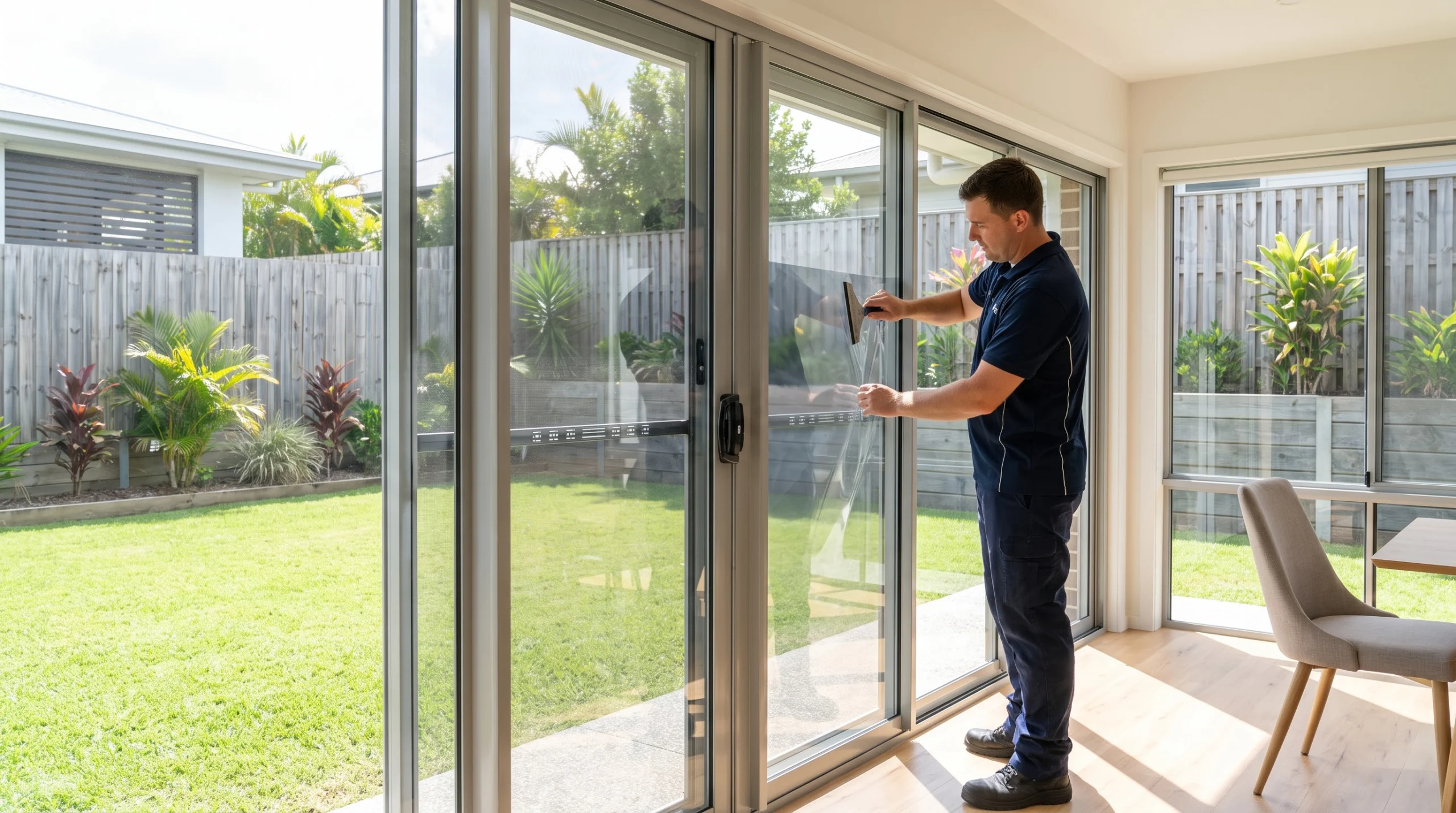
We treat old glass more carefully than new glass, full stop. That means extra time cleaning around aged putty and timber beading, and sometimes a slower application to avoid stressing glass that’s been sitting in its frame for sixty or eighty years. If you want the full rundown of what happens on the day regardless of window age, our guide on home window tinting installation covers the general process.
Frequently Asked Questions
Can you tint really old or slightly uneven glass?
In most cases yes, though we’ll assess it on site first. Very old glass sometimes has small imperfections that don’t cause problems for tinting but are worth checking before we commit to a film.
Will tinting help with the character of a heritage-listed home?
Tinting itself doesn’t affect heritage listing status, since it’s a removable film rather than a structural change. If your property has specific heritage overlay conditions, it’s worth checking with your local council, but window film is generally considered a low-impact addition.
Is tinting a good alternative to replacing old windows entirely?
For heat, glare, and UV, yes, often a very cost-effective one. It won’t fix structural or mechanical issues with the sash itself, but if the glass and frame are otherwise sound, tinting solves the heat problem without the cost or disruption of a full window replacement.
Bring Comfort to Your Queenslander Without Losing Its Character
Old homes deserve a solution that respects what makes them worth keeping, not a generic fix that ignores the windows they were actually built with. We work on character homes right across Brisbane, Ipswich, and the Gold Coast, and we’ll always tell you honestly whether tinting is the right call for your specific windows. Call 1300 Get Tint (1300 438 846) for a free quote, backed by a lifetime warranty on the film itself. We’ve worked on more than a few Queenslanders, so you’re in good hands, and yes, that’s us saying so ourselves.