If your home cops the afternoon sun, you’ve probably weighed up double glazing vs tinting and wondered which one actually fixes the heat. Actually, they each solve different problems, and sometimes the best result comes from using both. Here’s what each one does, how they compare in a Queensland climate, and what you need to know before you tint double glazed windows.
What Double Glazing Does Well
Double glazed windows have two panes of glass sealed as a unit, with a gap of air or argon gas between them. That gap slows heat moving through the glass, so a double-glazed window holds warmth in during winter and keeps conducted heat out in summer. It’s also very good at cutting noise, which is why it’s popular on homes near busy roads and flight paths.
The catch is that double glazing is a window replacement, not an add-on. New glass units, often new frames, and the labour to fit them make it a significant investment across a whole house. It makes the most sense when you’re building, renovating or replacing windows anyway. These days, replacing single windows with double-glazing can be surprisingly competitive so don’t rule it out.
Why Double Glazing Alone Doesn’t Stop Queensland Heat
This is the part that surprises people. The air gap slows conducted heat, but direct sunlight still passes through clear glass, two panes or not. In a cold climate that’s fine, because the main job is holding heat in. In Brisbane, the Gold Coast and Ipswich, the bigger problem is the sun pouring through west and north-facing glass on a February afternoon, and clear double glazing does relatively little about that.
That’s why we regularly meet homeowners who paid for double glazing and still have a lounge room that turns into an oven by three o’clock.
What Window Tinting Does Differently
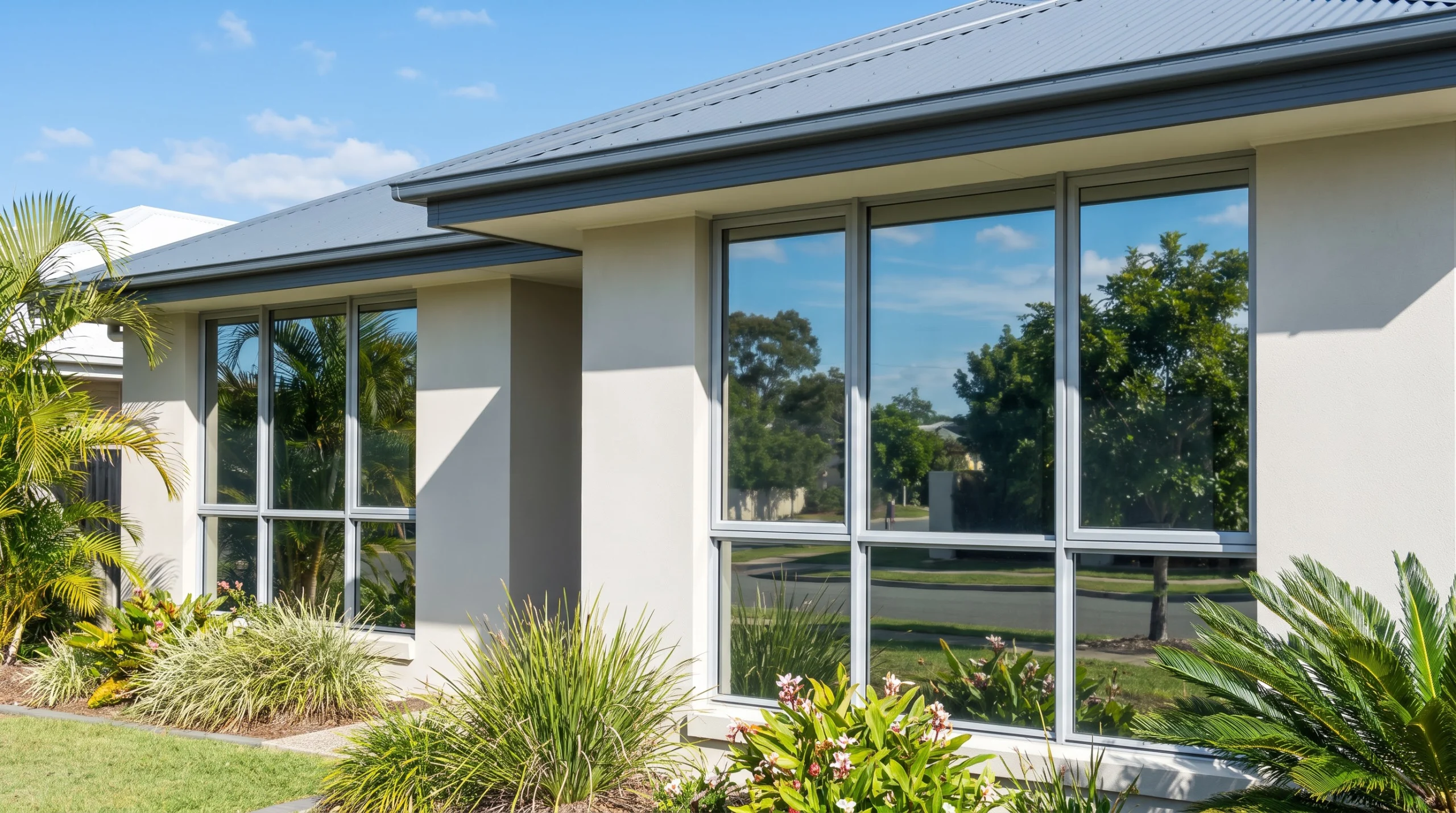
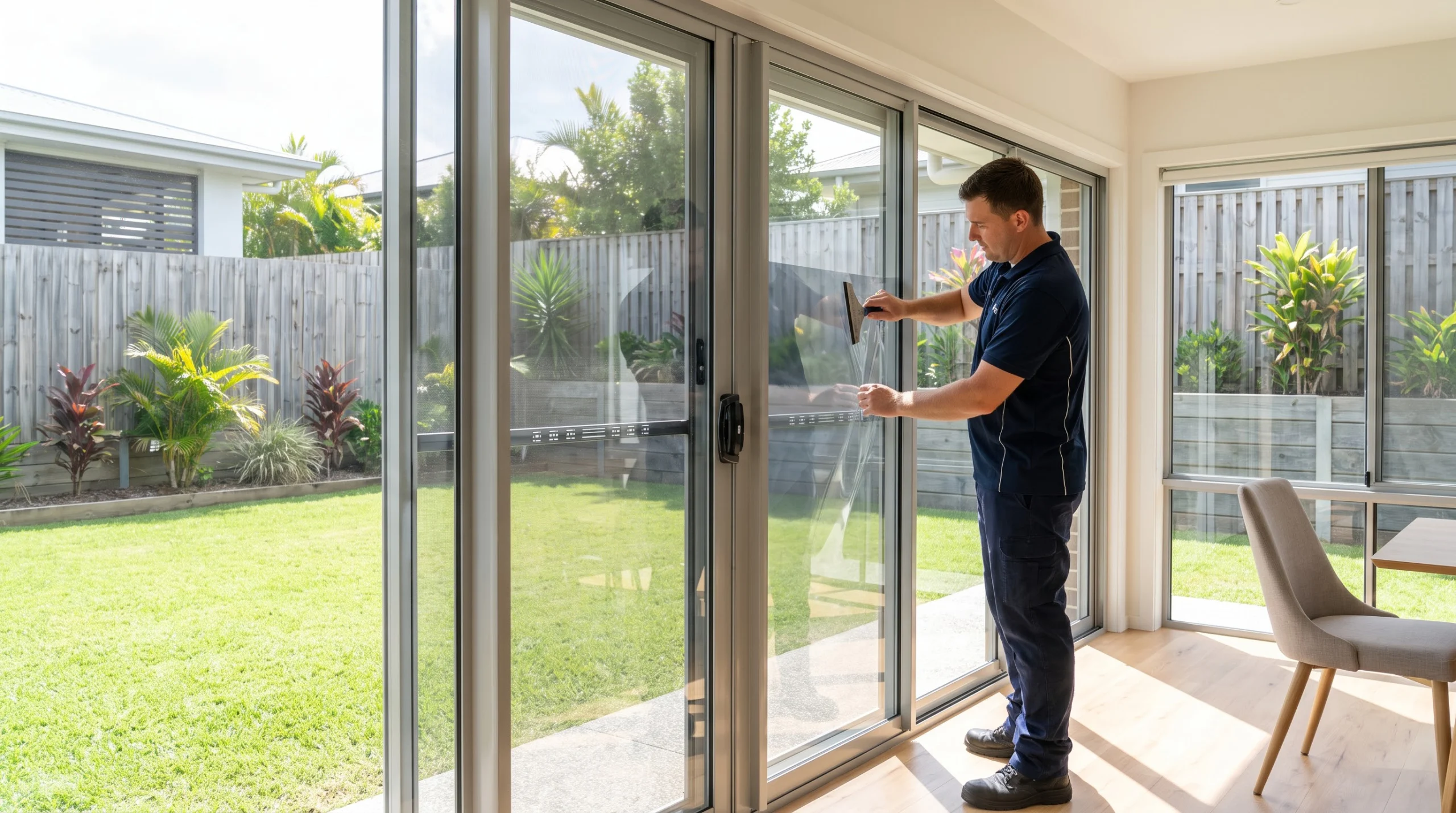
Window film works on the glass you already have. A quality solar control film stops a large share of the sun’s heat at the glass before it gets into the room, which is exactly the problem most Queensland homes have. It also blocks up to 99% of UV rays, cuts glare on screens and benchtops… and bonus… to install window film usually takes one day without replacing a single frame.
What film won’t do is match double glazing for noise reduction or winter insulation. If either of those is your top priority, film on its own is the wrong tool. If heat and glare are issues, our guide to the best home window film for Queensland’s summer heat walks you through the options.
Double Glazing vs Tinting at a Glance
Here’s how the two compare on the things most homeowners care about.
| Factor | Double glazing | Window tinting |
| Summer sun and solar heat | Limited with clear glass | Strong |
| Winter insulation | Strong | Modest |
| UV protection | Partial with standard glass | Up to 99% |
| Glare | Little change | Noticeably reduced |
| Noise reduction | Strong | Minimal |
| Cost | High, full window replacement | Far lower, uses existing glass |
| Installation | Days to weeks, frames may change | Usually a single day |
Can You Tint Double Glazed Windows?
Yes, and it’s one of the questions we’re asked most. If you have double glazing (or are planning to install it) then your home can still overheat. Mind you, not every tinting film is suitable to cover all double glazing units (IGUs). This is what you do need to talk to professionals. Ready to get some advice? Call us on 0400 700 154.
Why the Wrong Film Can Damage Double Glazing
A double-glazed window is a sealed unit. When film goes on the inside pane, it does its job by absorbing some of the sun’s energy and that pane runs hotter than it did before. The wrong film can absorb too much heat for that particular unit and it can stress the glass to the point of cracking, or the seal between the panes could overheat until it fails which could cause the window to fog from the inside. You can see why using the right film is critical.
As a professional installer, we work from data and recommendations from the film manufacturers. They publish compatibility guidelines that match each film to glass type, unit size and orientation. Before we recommend anything to you, we check your glass and choose from the 3M and Solar Gard ranges to suit it. Hardware store film skips that step entirely, which is where most of the horror stories come from.
Double Glazing and Tinting Together
Sometimes the best answer is both. We had a customer whose home was fitted with double glazing throughout, yet the north and west rooms were still too hot to sit in through summer. We recommended a compatible solar film on those windows, which fixed it. The double glazing kept doing its job on insulation and noise, and the film took care of the sun.
If your home is older and single glazed, such as a classic Queenslander, tinting is usually the more achievable upgrade, since retrofitting double glazing into timber sashes is expensive and sometimes restricted by heritage rules.
Which Should You Choose?
If you’re building or replacing windows anyway, double glazing with a low-e coating is worth considering, especially if noise is a problem. If you’re living in your home now and the issue is heat, glare or fading, window tinting is the fast and far more affordable fix, and over time it can save you money on energy bills. If you already have double glazing and still have hot rooms, a compatible film works a treat.
FAQs: Double Glazing and Window Tinting
Does double glazing block UV rays?
Partly. Standard double glazing blocks some UV, but a meaningful share still gets through unless the glass is laminated or has a low-e coating. Quality window film blocks up to 99%, which protects everyone in the house as well as floors and furniture.
Will tinting my double-glazed windows void the warranty?
Always use a film that is proven to work on double-glazed windows and check your window warranty to see if they have any conditions or recommendations. A film approved for your glass type, installed by someone who follows the manufacturer’s guidelines, is the best way to protect it.
Does double glazing film work?
The term covers two different products, so it’s worth knowing which one you’re looking at. The first is a DIY plastic kit, sold online and in hardware stores, that you tape around the inside of the window frame and shrink tight with a hair dryer. It traps a layer of air in front of the glass to mimic a second pane. That can help a little with winter heat loss in cold climates, but it does very little against Queensland’s summer sun, and most kits are designed to be replaced each season. The second is professionally installed window film applied directly to double glazed glass. That does work for heat, glare and UV, as long as the film is matched to your glass type, as covered above.
Is secondary glazing better than window film?
Secondary glazing adds an extra pane inside your existing window. It’s good for noise and insulation but costs considerably more than film. However, on its own secondary glazing doesn’t stop direct sun any better than clear double glazing does.
Double Glazing vs Tinting: Get the Right Answer for Your Home
Double glazing is the stronger choice for insulation and noise, and it makes sense when windows are being replaced anyway. Tinting is the stronger choice for Queensland’s real problem, summer heat and glare, and it works on the glass you already have, including double glazing when the film is matched correctly. For a lot of homes, the smartest result is both.
If you’d like a straight answer for your windows, that’s what we do every day at Matt Bull Window Tinting. We’ll check your glass, tell you honestly whether film is the right call, and recommend a compatible product if it is. We look after home window tinting across Brisbane, the Gold Coast and Ipswich. Call 0400 700 154 for a free consultation.