If you’ve ever walked into a west-facing room at three in the afternoon in January, you already know the problem. Queensland summers are genuinely brutal. The sun doesn’t just shine here, it hammers through glass and turns comfortable rooms into places you avoid until well after dark.
Air conditioning helps, but it’s expensive to run and it doesn’t solve the source of the problem. The heat is coming through your windows, and until you address that, you’re fighting it rather than stopping it. The right home window film changes that equation. Here’s what actually works for Queensland conditions, and how to choose the best window film for your home.
Why Queensland Homes Need the Right Home Window Tint
Not all window films are suited to Queensland’s climate. A film that performs well in cooler southern states may not deliver the same results when it’s facing full Queensland sun for six to eight hours a day. Home window tinting in Brisbane and across Southeast Queensland means dealing with extreme solar heat gain, high UV rays intensity, and significant humidity.
The best home window film for these conditions is specifically designed to reject solar heat before it enters the room, not just slow it down once it’s already inside. That distinction matters when you’re choosing the right home window tint for your specific situation.
The Main Types of Window Films for Heat Reduction
Understanding the different types of window films helps you choose the best window film for your needs. Each type addresses heat control slightly differently, and the right film for your home depends on your windows, your priorities, and your budget.
Solar Control Film
Solar control film is the workhorse of home window tinting across Brisbane and Queensland. Solar control films are designed to reject solar heat before it converts to heat inside the room. A quality solar control window film can significantly reduce the amount of heat coming through your windows, lower your air conditioning load, and make your home more comfortable through the summer months.
Solar control films come in a range of tint levels and performance ratings, so there’s a film for your specific needs whether you want a subtle solution or maximum heat rejection.
3M Window Film
3M™ window films are among the most widely specified products for Queensland home window tinting, and for good reason. 3M™ window films let you keep the natural light and views you love while rejecting heat and UV rays at the same time. The 3M™ Prestige Series window films are particularly well regarded for high heat rejection with exceptional clarity, making them an excellent option for living areas where appearance and performance both matter.
3M™ window films can help reduce the amount of heat gained through your glass significantly, and 3M home window film options cover everything from subtle solar control through to premium-grade window films for the most demanding Queensland conditions.
Ceramic Window Films
Ceramic window films use non-metallic ceramic particles to reject solar heat with outstanding clarity. Films are known for maintaining high visible light transmission while still delivering high heat rejection, which means your rooms stay bright while the heat stays out. Ceramic window films are an excellent option for homes where appearance is a priority and where you want the best available performance in harsh Queensland sun.
Reflective Film
Reflective film has a mirror-like exterior appearance and performs best when the sun is hitting the glass directly. Control films in this category offer strong heat and UV control and are films that reduce heat and glare effectively on west and north-facing windows. Dual reflective film reduces the mirror effect from inside while still providing strong solar control from outside, making your home more comfortable without the interior feeling like you’re sitting behind a one-way mirror.
What the Performance Ratings Actually Mean
Choosing the right window film means understanding a few key numbers. Your installer will walk you through these, but here’s what to pay attention to when comparing window film options.
Total Solar Energy Rejected, or TSER, tells you the percentage of total solar energy the film blocks. For Queensland summer heat, a higher TSER means a cooler home. Infrared rejection tells you specifically how much heat-generating radiation films block. Visible Light Transmission tells you how much natural light comes through. UV rejection tells you how effectively films help block up to 99% of harmful UV rays, which matters for protecting furnishings and flooring from fading.
For Queensland conditions, prioritise TSER and heat rejection ratings. Those two numbers will tell you most of what you need to know about how a window film can help keep your home cooler on a genuinely hot day.
The Best Windows to Prioritise in Your Home
Window films work hardest on the windows that receive the most direct sun. Knowing which ones to prioritise helps you get the best result and keeps costs manageable.
West-facing windows cop the afternoon sun directly for extended periods. In Queensland that means several hours of intense heat and glare every summer afternoon, and these windows are almost always the biggest contributors to an uncomfortable home. They should be your first priority for solar control window film.
North-facing glass receives sun for most of the day. Large north-facing windows in living areas and kitchens are common in older Queensland homes and generate substantial heat gain throughout the day. Films designed to reduce heat and glare on north-facing glass make a significant difference to daytime comfort.
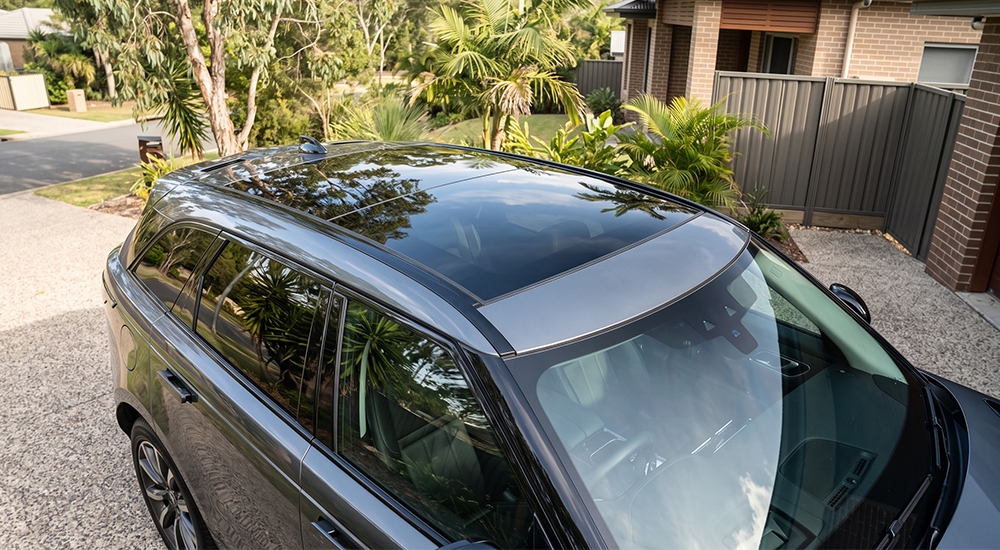
Skylights are often overlooked but can be among the worst heat contributors because they receive direct overhead sun with no shade. Specialist window film for skylights can dramatically reduce the heat coming through overhead glass and is worth considering if your home has significant roof glazing.
Window Film vs Other Heat Reduction Window Treatments
It’s worth understanding where home window film sits relative to other window treatments you might be considering.
External blinds and awnings are effective because they block sun before it reaches the glass, but they’re expensive, require maintenance, and affect your home’s exterior appearance. Internal blinds and curtains block light and view when closed and do nothing for heat control when open. Double glazing is a major investment that addresses heat loss more than solar heat gain in Queensland’s climate.
Window film addresses the heat coming through your windows directly, at the glass surface, without blocking your view, without structural changes, and at a fraction of the cost of most alternatives. For the specific problem of summer heat in a Queensland home, it’s hard to beat for value and practicality.
Best Window Film Queensland: How to Choose the Right One
Choosing the best window film for your home comes down to a few practical questions. Which windows are causing the most discomfort? How important is natural light in those rooms? Do you want a subtle solution or are you after maximum heat rejection? Is privacy a factor as well as heat control?
The answers point you toward the right home window tint for your specific situation. A site assessment takes the guesswork out of it entirely. Help you choose the best window film for your needs is exactly what a professional consultation is for, and it ensures the film for your home is matched to your windows, your orientation, and your priorities rather than just being the most popular product on the shelf.
Frequently Asked Questions
Will home window tinting make my rooms darker?
It depends on the film. Some control films do reduce visible light noticeably. Ceramic window films and 3M™ Prestige Series window films are specifically designed to maintain high clarity while still rejecting heat and UV rays. Your installer can show you the light transmission rating for each option so you can find the right balance for each room.
How long does home window film last in Queensland conditions?
A quality window tint professionally installed should last 10 to 15 years in Queensland conditions. Premium-grade window films often carry manufacturer warranties of 10 years or more. The intense Queensland sun does accelerate wear on lower quality products, which is one reason product selection and professional installation matter more here than in cooler climates.
Can window film be applied to double-glazed windows?
Yes, with the right product. Applying an incompatible film to double glazing can cause thermal stress and seal failure. An experienced installer will confirm compatibility and specify a film designed for double-glazed units before anything goes on your glass.
Is there a window film that handles both heat and UV rays?
Yes. Most quality solar control films are designed to reduce heat and UV rays simultaneously. Films that reduce heat and block up to 99% of UV rays are standard across the 3M window film range and most premium-grade products. Your installer can show you the UV rejection rating alongside the heat rejection figures so you can compare window film options properly.
Stop Fighting the Heat and Start Blocking It
Queensland summers aren’t going anywhere. The right home window solutions make a genuine, noticeable difference from the very first hot day after installation, keeping the heat out, reducing glare, protecting your furnishings, and making your home more comfortable without sacrificing the views and natural light you love.
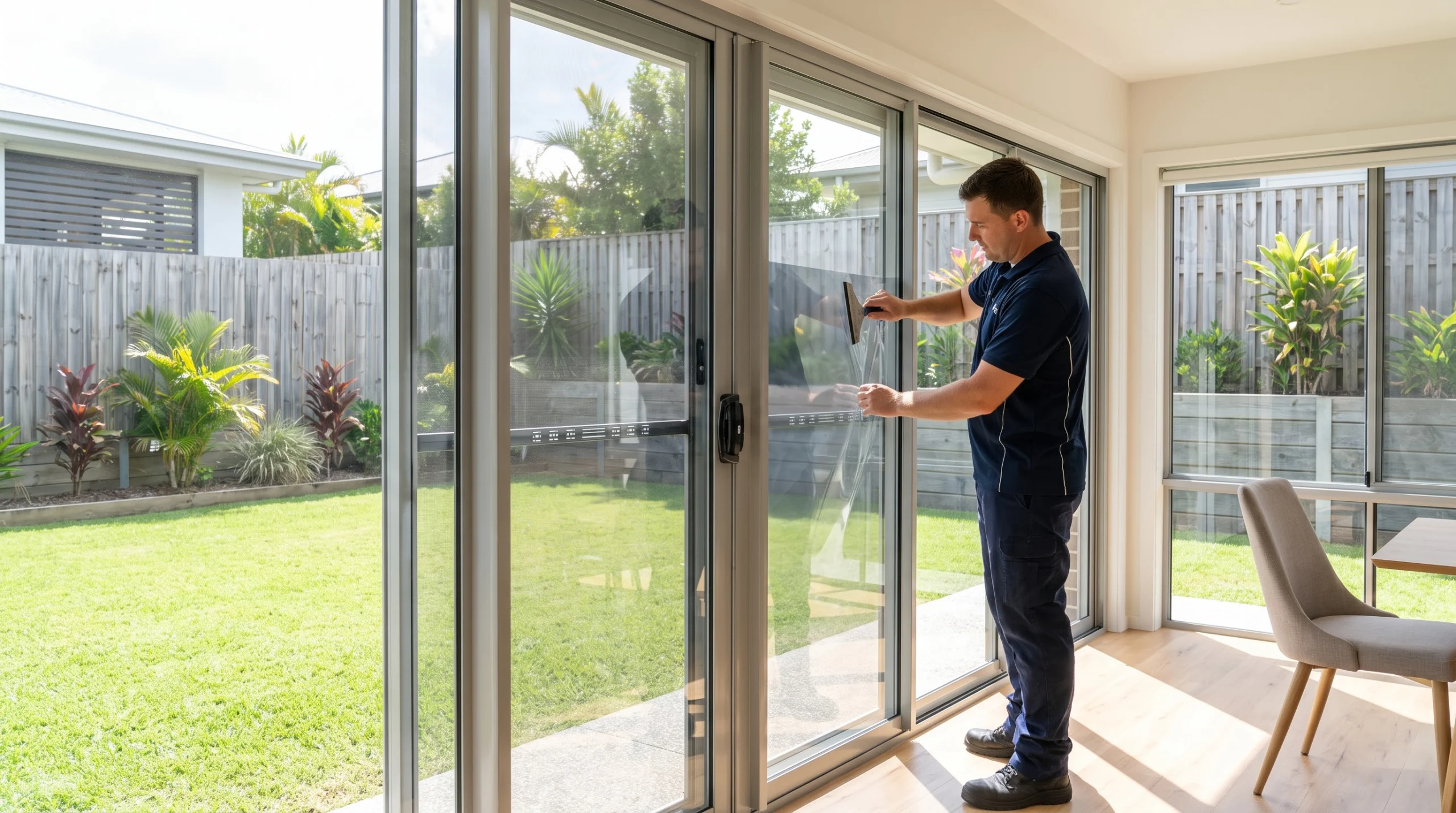
You’re already on the website of the team that handles home window tinting across Brisbane, the Gold Coast, and Ipswich every day. At 1300 Get Tint we help you choose the best window film for your home and install it properly so it performs the way it should. Get in touch today for a free consultation.
Related posts:
- Does Window Film Really Stop Break-ins? Here’s What the Data Says
- What Makes a Security Window Film ‘High Grade’?
- Double Glazing vs Window Film : Energy Efficiency, Insulation and the Right Solution for Queensland Homes
- How Daytime Privacy Window Film Adds Privacy to Your Home Without Losing Your View