Queensland has some of the most specific window tint laws in Australia, and they catch more car owners out than you’d expect. Whether you’re adding tint to a new car, buying a used vehicle that already has window tint in Queensland, or just trying to understand what the rules actually say in plain language, getting this right before anything goes on your glass saves you time, money, and a defect notice you really don’t want.
This is the 2026 guide to Queensland window tint laws: what’s legal, what’s not, and what you need to know before you book a tinting service.
Why Queensland’s Window Tinting Regulations Exist
Queensland’s window tinting regulations come down to one thing: visibility. Tint darkness that goes beyond the legal limits reduces driver vision, particularly at night and in poor weather. The Queensland Department of Transport and Main Roads sets the rules around window tint in QLD to make sure drivers can see clearly, and so that Queensland police and emergency services can see into vehicles when they need to.
This isn’t bureaucracy for its own sake. Illegal window tint that reduces visibility is a genuine safety risk, and the state laws reflect that.
Queensland Window Tint Laws 2026: Understanding VLT Limits
VLT stands for visible light transmission. It’s the percentage of visible light that passes through your window, measured across the combined tint levels of the glass and any tint film applied to it. A higher VLT means a lighter window. A lower VLT means a darker one.
Queensland’s window tint laws set a minimum VLT for each window position on your car. Your tint must allow at least that percentage of light to pass through the window. Going below the minimum is what makes a window tint illegal in Queensland.
Legal Tint Limits by Window Position
| Window Position | Minimum VLT |
| Windscreen (below the AS/NZS 2080 line) | 75% |
| Front side windows | At least 35% |
| Rear side windows | 20% |
| Rear window | 20% |
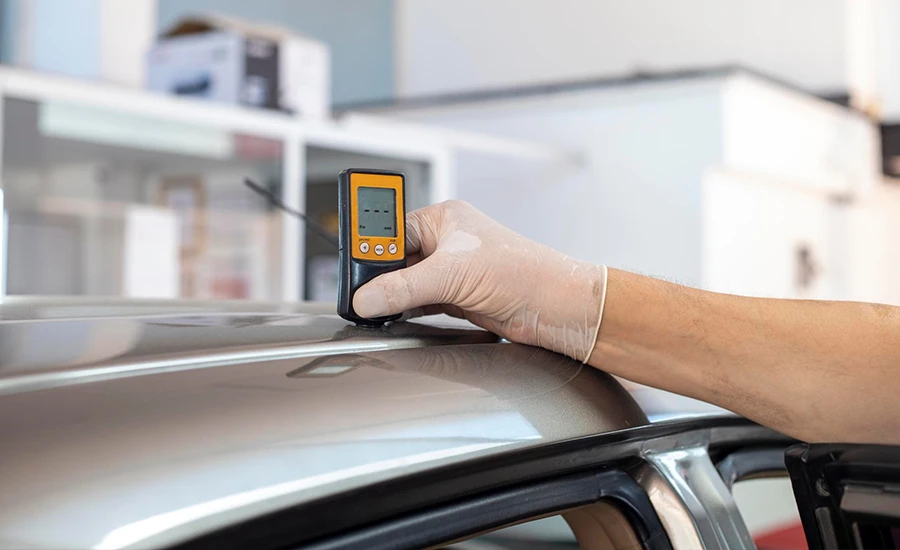
These are combined figures. The factory tint already built into your glass counts toward the total, which means the darkest legal tint you can add with aftermarket tint depends on what your factory glass is already sitting at. A professional installer uses a light transmission meter to measure your existing glass before recommending anything.
Windscreen Rules: Tint Strip, Clear Film, and What’s Compliant
The windscreen has the strictest tint laws in Queensland, and for good reason. It’s your primary sightline and any reduction in visibility through it affects safety directly.
In Queensland, a tint strip is permitted across the top portion of the windscreen above the AS/NZS 2080 line, which is generally the top 10% of the glass. The windshield may be tinted in this area only. Below that line, your windscreen must maintain a minimum VLT of 75%, which rules out any visible window tint across the main driving area.
Clear window film, including UV-blocking and heat-rejecting films, can be applied across the full windscreen provided the film itself doesn’t reduce visible light transmission below the legal limits. This is a popular option for Queensland drivers who want UV protection and heat rejection through the windscreen without adding any tint darkness at all.
UV protection through the windscreen without adding tint darkness →
Reflectance: The Tinting Regulation Most People Miss
VLT gets most of the attention when people talk about Queensland window tint laws, but reflectance is the other compliance requirement that matters. Queensland’s tinting regulations limit how reflective window tint can appear from the outside. Highly reflective tint creates glare for other drivers and reduces visibility into the vehicle for pedestrians and Queensland police.
Under Queensland regulations, external reflectance must not exceed 10% for front side windows and 25% for side windows and rear window positions. Your installer should be specifying compliant film as standard, but if you’re considering anything with a strong metallic or mirror finish, ask specifically about the reflectance rating before it goes on.
Factory Tint, Aftermarket Tint, and Combined VLT
One of the most common sources of confusion around Queensland’s window tinting laws is how factory tint and aftermarket tint interact. Many cars come with a factory tint or privacy glass across the rear windows, and some have a light tint across all windows as standard.
When you add aftermarket tint over glass that already has a factory tint, the combined VLT of both layers is what must meet Queensland’s legal limits, not the film’s rated VLT on its own. A tint film rated at 35% VLT sounds compliant for front side windows, but applied over factory glass sitting at 70% VLT the combined result may fall below the legal requirement depending on exact measurements.
The Queensland Department of Transport and Main Roads is clear that non-standard tinting materials on light vehicles must comply with the applicable standards. Reputable tinting services measure existing glass before quoting. If your tinter doesn’t ask about your factory tint before they recommend a film to you, that’s a warning sign worth taking seriously.
Tinting a car that already has factory privacy glass →
What Happens If Your Window Tint Is Illegal
Illegal window tint in Queensland typically results in a defect notice from Queensland police and requires you to remove or replace the non-compliant tint within a set timeframe. If you drive with an unresolved defect notice it can lead to fines and affect your vehicle’s registration status.
There’s also the practical cost of having old tint removed and replaced. Poorly installed tint that has started to bubble can be particularly difficult and expensive to remove cleanly. That’s an entirely avoidable expense when tinting your car windows is done correctly the first time with properly specified film and a professional install.
why professional installation matters for car window tint →
Frequently Asked Questions
Queensland Window Tint Laws 2026: Darkest Legal Tint
The darkest legal tint for front side windows in Queensland must allow at least 35% VLT through the combined glass and film. For rear side windows and the rear window, the minimum is 20% VLT. The darkest legal window tint you can actually apply depends on your factory tint. A professional installer will always measure your existing glass and specify the darkest legal tint available for your vehicle.
Are Queensland window tint laws the same as other states?
No. Each Australian state sets its own tinting regulations, and the legal limits vary. QLD regulations apply to all vehicles registered in the state, regardless of where the tint was fitted. If you’ve moved from interstate with a car tint that was legal where you lived, it may not comply with Queensland’s window tint laws and is worth having checked.
Can illegal tint get me fined in Queensland?
Yes. Queensland police can issue a defect notice for illegal window tint, and driving with an unresolved defect can lead to fines. The fine and compliance cost combined make getting the tint right the first time the cheaper option by a significant margin.
Does a tint bubble mean it’s illegal?
Not necessarily, but a bubbling tint is a sign the film is failing and should be replaced. Old tint that has started to bubble often indicates the adhesive is breaking down, which affects both appearance and VLT compliance. A film that was within legal limits when new can drift outside them as it degrades.
Do I need to tell my insurer about window tint?
It’s worth checking your policy. Most standard window tint that is compliant with Queensland’s window tinting laws doesn’t affect insurance, but modifications outside the legal limits could be considered a material fact. When in doubt, ask your insurer before you tint your car.
Get Compliant, Stay Legal
Queensland’s window tint laws aren’t complicated once you understand the framework — but the details do matter. The wrong film on the wrong glass can turn a straightforward upgrade into an expensive correction, and that’s entirely avoidable when the job is done right from the start.
Knowing your VLT, understanding what your factory glass is already sitting at, and working with a tinter who measures before they quote — that’s really all it takes. The complexity is our problem, not yours.
At 1300 Get Tint we’ve been doing exactly that for car owners across Brisbane, the Gold Coast, and Ipswich for years. We measure your existing glass, specify film to Queensland’s legal requirements, and install it properly so you’re compliant from day one. Call 1300 Get Tint (1300 438 846) for a free quote and we’ll tell you exactly what’s possible on your car.
Related posts:
- Does Window Film Really Stop Break-ins? Here’s What the Data Says
- Double Glazing vs Window Film : Energy Efficiency, Insulation and the Right Solution for Queensland Homes
- How Daytime Privacy Window Film Adds Privacy to Your Home Without Losing Your View
- The Best Home Window Film for Queensland’s Summer Heat: How to Choose the Right Home Window Tint