It’s one of the most common things we hear from car owners across Brisbane, the Gold Coast, and Ipswich: “My car already has privacy glass, so I don’t need a tint.” It’s an easy assumption to make. Privacy glass looks dark from outside, which is exactly what most people picture when they think about car tinting. But privacy glass and window tint are two genuinely different things, and understanding that difference matters a lot when you’re driving in Queensland heat.
What Is Privacy Glass and How Does It Work?
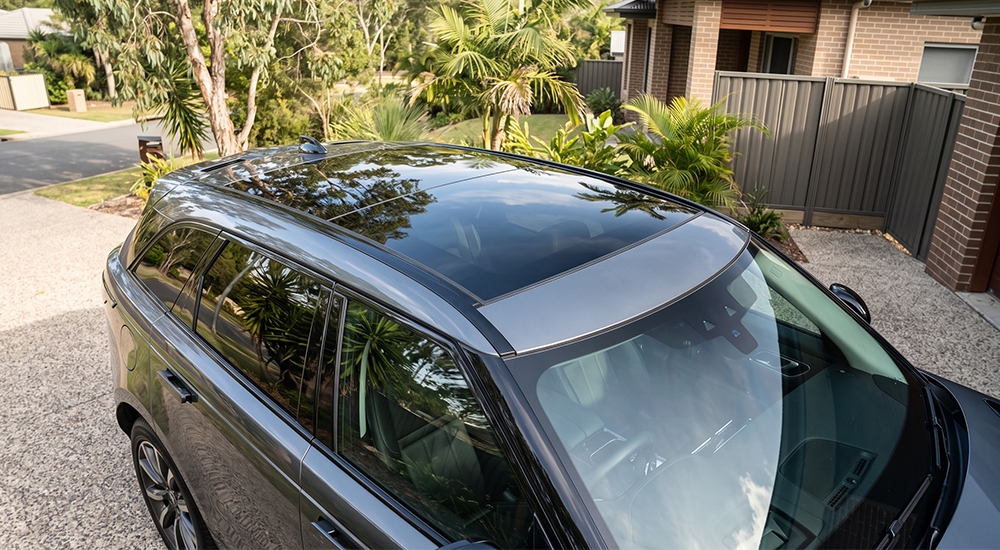
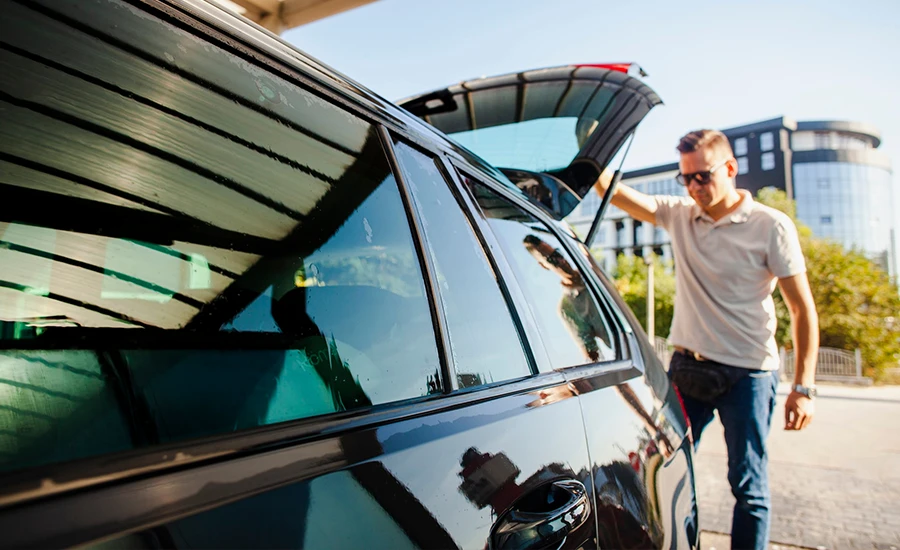
Privacy glass is a type of glass that has been darkened at the factory by the car manufacturer as part of the manufacturing process. Rather than having a film applied to the surface, the glass itself is tinted by the introduction of a dye during production. Many new cars come with privacy glass fitted to the rear windows as standard, and it often covers everything except the front two door windows and the front windscreen.
It gives the rear of the vehicle a dark, finished appearance and provides reasonable visual privacy for rear passengers (and low visibility for anything you might leave on your car seat). What it doesn’t provide, and what surprises most people when they find out, is meaningful heat rejection or UV protection. In fact, because the glass is so dark, it tends to be more heat absorptive than lighter glass… not less.
Factory Privacy Glass and the Front Windows
Because many new cars come with privacy glass only on the rear, the front two door windows and the windscreen are left as untreated glass. That means the driver and front passenger are fully exposed to direct Queensland sun with no tint and no UV protection whatsoever. Anyone who drives west on the M1 on an afternoon in April already knows what that exposure feels like.
Car tinting for the front windows, specified correctly to stay within Queensland’s legal tinting limits, makes a significant difference to driver comfort and reduces glare that builds up on longer trips.
Privacy Glass vs Window Tint Queensland: What It Actually Does
Factory-tinted glass provides some level of UV reduction as a byproduct of the darkening process, but it usually does not have high heat rejection properties. The dye absorbs solar energy rather than reflecting it, which means the glass itself heats up and radiates warmth into the cabin. On a 29-degree Brisbane afternoon with the car parked in the sun, the rear of a vehicle with privacy glass can still reach temperatures that are uncomfortable and potentially dangerous for children and pets.
Here’s an honest breakdown:
| Feature | Privacy Glass | Window Tint / Window Film |
| Reduces visibility from outside | Yes | Yes |
| UV protection | Partial: provides some level | Up to 99% UV blocked |
| Heat rejection | Low: usually does not have high heat rejection | High with ceramic film |
| Reduces cabin temperature | Minimal | Significant |
| Covers front windows | No | Yes |
| Reflectance compliance checked | Factory standard | Professionally verified |
| VLT legally verified | Factory standard | Measured and confirmed |
The gap in UV protection is where the real cost adds up over time. Harmful UV rays are what fade interior trim, crack leather, other seat upholstery like pleather, and cause cumulative skin damage on daily drives. Privacy glass may reduce the level of UV entering the cabin slightly, but it was never designed for UV protection. A quality window tint or clear window film applied over the glass is.
The Case for Adding Tint to a Car with Privacy Glass
So should you tint a car that already has privacy glass? For most Queensland drivers, yes, and here’s the practical case.
Window tint applied over the rear privacy glass gives you protection and heat rejection the factory glass alone can’t match. For the front windows and windscreen, where cars come with privacy glass least often, aftermarket tinting is the only way to get UV protection and reduce the heat coming through the glass that has the most direct exposure to the Queensland sun.
If you don’t want to darken your front windows visually, applying a clear film is a genuine option. A quality clear tint, sometimes called a UV clear or clear window film, delivers a high level of UV protection and heat rejection without changing the appearance of the glass at all. Many car owners with factory privacy glass on the rear choose this approach for the front windows: the whole car gets protection, the front stays light, and the level of protection across every window is consistent.
VLT, Reflectance, and Getting It Right
Queensland’s tinting laws set a minimum VLT for each window position. The front windscreen and front side windows have stricter limits than the rear. When you’re adding tint over factory privacy glass, the combined visible light transmission of the glass and the film must still meet Queensland’s requirements. A film that’s legal on clear glass may lead to a reduction in driver vision that puts you outside the legal limit when applied over glass that has been darkened at the factory.
Reflectance is the other compliance factor. Queensland law limits how reflective window film can be from the outside, particularly in poor light conditions, to promote better safety by allowing other drivers and pedestrians to see in. A professional installer measures between the existing glass and the proposed film to make sure all requirements are met before anything goes on your car.
Frequently Asked Questions
Privacy Glass vs Window Tint Queensland: Can You Add Tint?
Yes. Window tint can be applied over factory privacy glass, but the combined VLT must comply with Queensland’s legal limits for each window position. A professional installer will measure the existing glass first and specify a compatible film so the darkest legal tint for each position is achieved without putting you outside compliance.
Does factory privacy glass block harmful UV rays?
Only partially. Privacy glass may provide some level of UV reduction, but it isn’t engineered for UV protection. Quality window tint blocks up to 99% of harmful UV rays, which makes a real difference for skin protection and interior preservation across Queensland’s roads.
What if I don’t want darker front windows?
Applying a clear film to the front windows is the answer. A quality clear window film delivers UV protection and heat rejection without any visible darkening of the glass. It’s a popular choice for car owners who want the car’s interior protected across every window without changing the look of the front.
What is the darkest legal tint I can add over privacy glass?
The darkest legal tint you can add depends on the VLT of your existing privacy glass. Queensland sets minimum VLT limits by window position. A professional installer measures the existing glass, calculates how much additional tint can be applied while staying within the legal limit, and recommends the right film from there. This is not a step to skip or guess at.
Get the Protection Your Car Actually Needs
Factory privacy glass is a reasonable starting point, but it was never designed to handle Queensland heat or provide real UV protection. The right window tint, professionally installed across all your car windows, gives you the heat rejection, UV protection, and legal compliance that factory glass simply doesn’t deliver on its own.
That’s what the team at 1300 Get Tint does every day for car owners across Brisbane, the Gold Coast, and Ipswich. If you’re not sure what your car needs or what’s possible over your existing privacy glass, a free consultation takes the guesswork out of it. Call 1300 Get Tint (1300 438 846) and we’ll take a look.