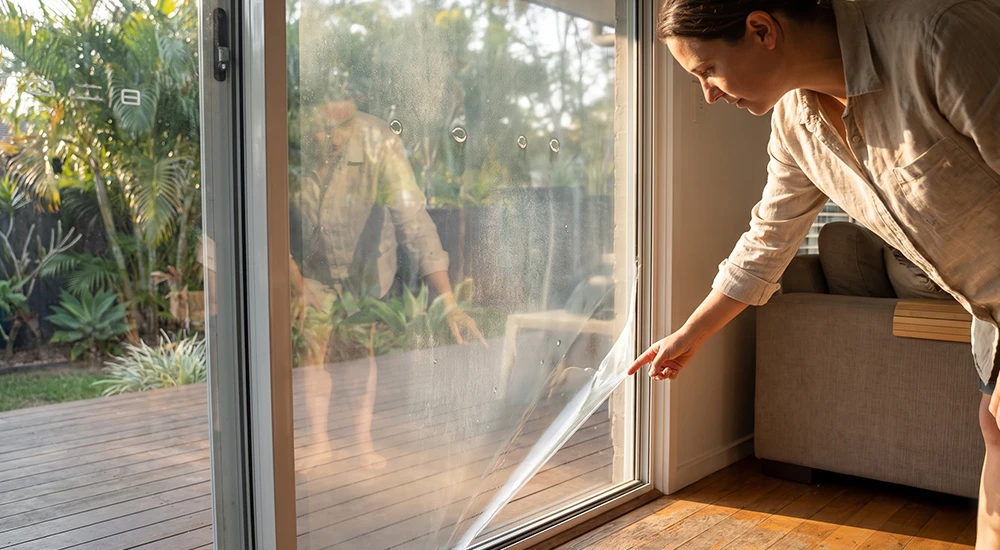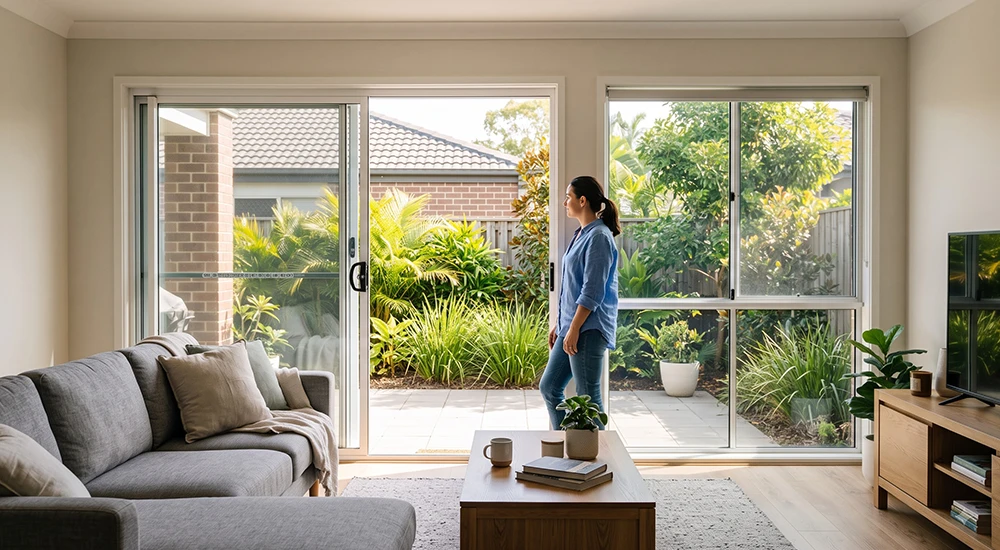
If you own a rental property in Brisbane, you already know the list of things competing for your maintenance budget never gets shorter. Window tinting rental property Brisbane searches have picked up for good reason: it’s one of the few upgrades that protects your asset, keeps tenants happier, and pays for itself over time, rather than just being another expense you absorb.
Unlike blinds or curtains, which tenants can damage, remove, or simply not bother with, window film works quietly in the background for the life of the tenancy and the one after it.
Why Brisbane Landlords Are Choosing Window Film
Queensland’s climate is hard on a rental property in ways that show up on your maintenance bills. Harmful UV rays fade flooring, curtains, and furniture, and heat build-up through unfilmed glass pushes tenants to run air conditioning harder, which either shows up as a complaint about comfort or a request for a rent reduction to cover power bills. Home window tinting in Brisbane addresses both problems at the source, at the glass, rather than trying to manage the symptoms room by room.
It’s also a low maintenance solution, which matters more in a rental than an owner-occupied home. You’re not relying on a tenant to open or close blinds correctly, and there’s nothing for them to break.
How UV Damage Can Affect Rental Property Value
This is the part that gets missed in a lot of general home tinting advice. UV damage to flooring and furnishings isn’t just a cosmetic issue, it’s a depreciation issue. Sun-faded carpet or timber floors show up at every inspection and every eventual sale, and they’re one of the more common condition report line items landlords end up disputing at the end of a tenancy. A quality window film that blocks harmful UV rays reduces that fading before it starts, which protects the asset value of the property itself, not just the comfort of whoever’s living in it.
What Tenants Notice About Window Tinting
Prospective tenants inspecting a property notice heat and glare immediately, even if they don’t consciously register why a room feels uncomfortable. A property that stays noticeably cooler on a Brisbane afternoon inspection has a real edge over one that doesn’t, particularly in west-facing units and townhouses across the Gold Coast and Ipswich corridor where this is a common complaint.
Daytime privacy for tenants is another factor worth considering, especially for ground floor units or homes close to the street. Reflective or dual-reflective film gives tenants privacy without blocking natural light or forcing them to keep blinds shut during the day, which is a genuine quality of life improvement that shows up in reviews and renewal decisions.
How Window Tinting Can Improve Rental Property Energy Efficiency
Energy efficiency rental improvements are increasingly something tenants ask about directly, particularly as power prices stay a live concern across Queensland. Window film that reduces heat gain means less strain on air conditioning, which either keeps a tenant’s bills down or, if you’re covering utilities as part of the lease, keeps your own costs down.
It’s a genuinely long-term value proposition. Unlike a paint job or new carpet, which ages the moment a new tenant moves in, quality window film keeps delivering the same energy efficiency and UV protection for a decade or more, across multiple tenancies, without needing to be touched.
Reducing Glare Without Blocking Natural Light
Glare reduction matters more in rentals than owner-occupiers sometimes realise, because tenants don’t always have the budget or inclination to add curtains, external blinds, or other fixes themselves. A rental property with persistent glare on a television or workspace is the kind of small daily annoyance that erodes tenant satisfaction over months, even if nobody formally complains about it. The right film cuts glare significantly while still letting the room feel bright and lived in, rather than dim or closed off.
What This Looks Like for a Typical Brisbane Rental
For a standard three-bedroom home or townhouse across Brisbane, Gold Coast, or Ipswich, tinting is usually a straightforward, single day job. There’s minimal disruption for a tenant if the property is occupied, and no ongoing maintenance required once it’s installed.
A landlord upgrading a rental doesn’t need to go top of the range across every window. Prioritising west and north facing rooms, where heat and UV exposure is highest, gets most of the benefit without tinting every pane in the house.
Does Window Tinting Add Value to a Rental Property
Yes, and it’s a case worth understanding properly rather than taking on faith. Improvements that reduce running costs and improve comfort tend to support both rental appeal and resale value over time, and window film sits in that category alongside other genuine, lasting upgrades.
Is Window Tinting Worth It for Your Rental Property?
Window tinting for a Brisbane rental property isn’t a cosmetic upgrade, it’s a practical one. It protects furnishings and flooring from UV damage, helps manage energy costs, adds a layer of comfort and privacy that tenants notice, and keeps delivering value across multiple tenancies without ongoing maintenance.
If you’re weighing this up for one property or a whole portfolio, get in touch with 1300 Get Tint (1300 438 846) for a free quote and a straight answer on what makes sense for your specific rental.
FAQs: Window Tinting for Rental Properties
Is window tinting a tax deductible expense for landlords?
Window film is generally treated as a capital improvement rather than an immediate deduction, though depreciation rules can apply. It’s worth confirming the specifics with your accountant based on your individual circumstances.
Will window tinting void my landlord insurance?
No, quality professional installation shouldn’t affect your policy. It’s still worth checking your specific insurer’s terms if you have any doubts, particularly for older or heritage-listed properties.
Can I claim window tinting costs back through rent?
Most landlords treat it as a value-adding investment rather than a direct rent increase, since the benefit is spread across comfort, tenant retention, and reduced wear on the property itself.
How long does window film last in a rental property?
Quality film typically lasts well over a decade with no maintenance required, which makes it well suited to a rental where you want a fit-and-forget solution across multiple tenancies.