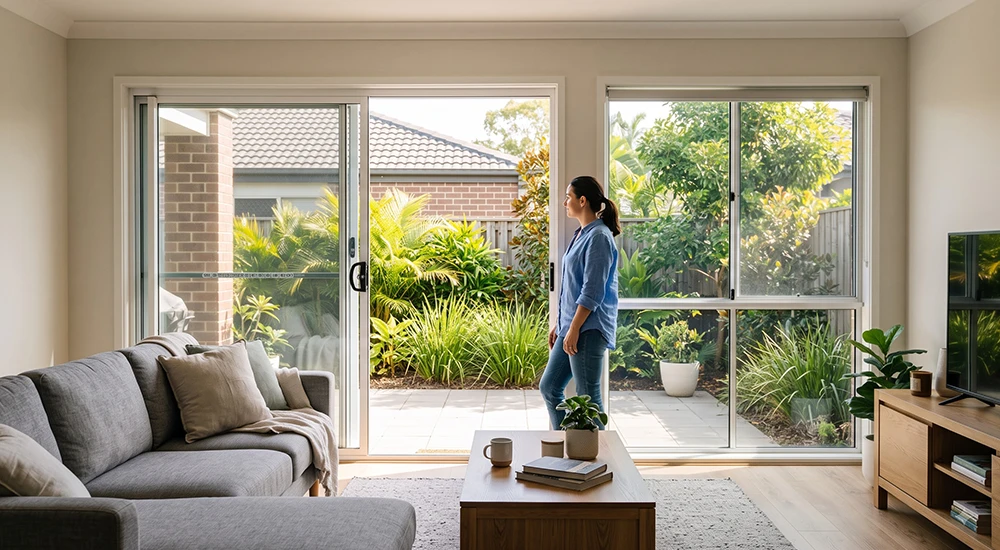
If you’ve noticed a haze creeping across your lounge room window or a strip of film lifting at the corner of your sliding door, you’re probably looking for the signs it’s time to replace your home window tint. It’s a fair question to ask. Window tint is one of those upgrades you install once and forget about, right up until it starts doing the opposite of its job. Knowing how to tell when window tint needs replacing saves you from squinting through a hazy, bubbled window for another twelve months while you put off dealing with it.
Home window film in Queensland works hard. Long hours of direct sun, big glass surfaces on north and west facing windows, and our humidity all take a toll on tint film over the years. The good news is that failing tint gives you plenty of warning signs before it turns into a real eyesore, you just need to know the key signs to watch for.
Why Home Window Tint Wears Out Differently to Car Tint
Car window film cops a rough run of heat and UV rays, but it’s also protected by shade, garages, and the fact that a car moves around during the day. Home tint doesn’t get that break. A west facing window in a Brisbane or Ipswich home can cop direct afternoon sun for hours on end, day after day, for years.
That constant exposure is why home film often shows its age differently to car tint. You’re more likely to see wide, even discolouration across a whole pane rather than the small bubbles you’d spot on a car window, simply because the surface area is so much bigger and the sun exposure so consistent.
Why Old Window Tint Turns Purple
One sign that’s almost exclusive to home window film is a purple or plum tinge developing across the glass, especially on windows that get hammered by afternoon sun. This is common in older tint that used dye-based film, where the dye starts to break down under prolonged UV exposure. It’s not dangerous, but it looks dated fast and it’s a clear signal the film has reached the end of its life.
Common Signs Your Window Tint Needs Replacing
Not every mark on your window means you need a full replacement. Here are the warning signs worth taking seriously, and what usually isn’t a concern.
Bubbling or air pockets: Small bubbles that appear soon after installation can sometimes settle down as the adhesive cures. Bubbles that show up years later and keep spreading are a different story. That’s usually the adhesive holding the tint breaking down, and it won’t fix itself.
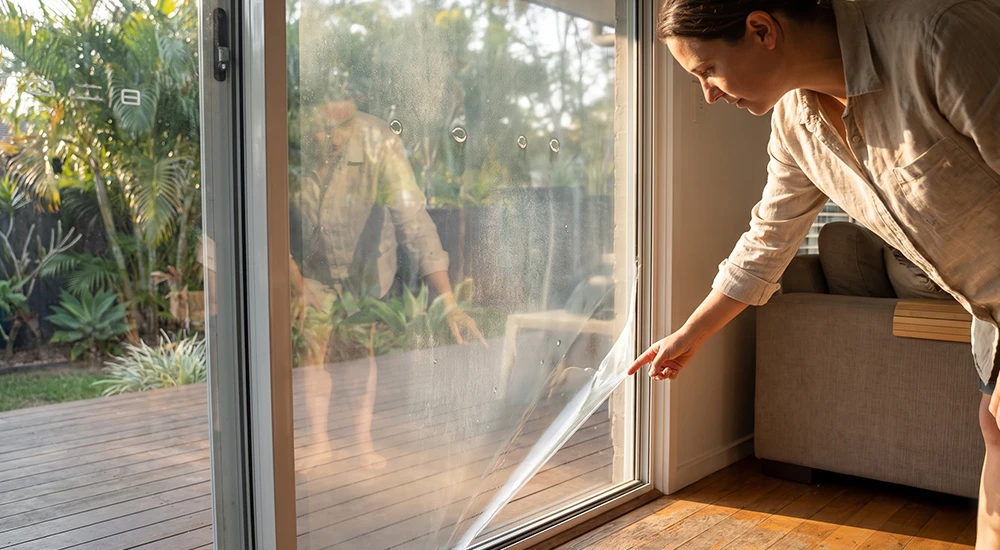
Peeling tint at the edges or corners: This often starts small, a lifted corner on a sliding door or a curling edge near the frame. Left alone, it spreads across the whole pane and lets moisture in behind the film, which speeds up the damage.
Colour changes: Purple, plum, or a general dulling of the film’s clarity are all signs of fading tint that’s spent too long in the sun.
Reduced heat rejection: If your lounge room suddenly feels hotter in summer than it used to, even though nothing else has changed, your tint may no longer be doing its job properly. Film loses some of its heat and UV protection performance as it nears the end of its lifespan, even before it looks visibly damaged.
Cloudy or hazy patches: A milky or foggy appearance, particularly near the edges of the glass, usually points to moisture trapped between the film and the glass. It can also reduce visibility and make the window look permanently dirty no matter how much you clean it.
What’s Normal Wear and What’s a Real Problem
A little dust build up or the odd faint scratch from window cleaning is normal and not a reason to replace anything. The line gets crossed when bubbling keeps spreading, peeling lets light or moisture through, or the colour change is obvious from across the room. At that point the tint has failed, and a quick photo sent to a local installer is usually enough to get a straight answer.
How Long Should Home Window Tint Actually Last
So how long does window tint actually last? Good quality window tint, properly installed, typically lasts 10 to 15 years, and premium ceramic window tint can go well beyond that. Cheaper dyed film tends to show its age faster, sometimes in five to seven years, particularly on windows that face west or get long afternoon sun. If your home tint lasts less than that, it’s usually a sign of a lower grade product rather than anything you did wrong.
If your home tint is pushing past the 10 year mark and you’re noticing any of the signs above, it’s worth getting it assessed rather than waiting until window tint needs replacement is obvious to everyone standing in the room.
Should You Patch It or Replace the Whole Pane
This is the question we get asked most. Patching a small section of failing film is rarely worth it. Film is manufactured and installed in full sheets for a reason, and a patch job almost always looks obviously different to the surrounding glass, both in colour and in how it catches the light. It also won’t solve the underlying problem if the adhesive is breaking down across the whole pane, which it usually is by the time damaged tint shows up in one spot.
The straightforward answer for most homes is professional window tint removal followed by a full reapplication of new window tint on the affected window or windows. It’s a bigger job upfront, but replacing old tint the right way is the only way to get an even, long lasting result. We’ve had plenty of Brisbane and Gold Coast customers who tried to squeeze one more year out of patchy old film before finally calling us, and every one of them said they wished they’d booked the tint replacement sooner.
What Happens If You Just Leave It
Ignoring failing tint doesn’t just look bad. Peeling film lets moisture sit against the glass, which can lead to mineral staining that’s much harder to remove than the film itself would have been. Reduced UV protection means your furniture, flooring, and curtains start copping more fade damage. And if you’re planning to sell in the next few years, tint that’s visibly bubbling or discoloured is the kind of small detail that makes buyers wonder what else hasn’t been looked after.
Getting It Fixed the Right Way
If you’re seeing any combination of the signs above, the smart move is to get a professional window tinting assessment before you decide anything on your own. It tells you whether you’re dealing with old tint that’s simply run its course, or an installation issue causing early failure, which does happen with rushed or budget jobs.
That’s the kind of straight answer you get from a proper window tinting service, and it’s exactly the assessment we do every day at Matt Bull Window Tinting. Whether you need a full premium window tinting upgrade or just want a second opinion, it costs you nothing to find out where you actually stand.
FAQs: How to Tell When It’s Time to Replace Your Home Window Tint
How do I know if my window tint is bubbling or just dirty?
Dirt sits on the surface and wipes away with glass cleaner. Bubbling is under the film itself and won’t shift no matter how much you clean it. If you can see raised, uneven patches that don’t flatten out, that’s bubbling.
Can I remove old window tint myself before replacing it?
You can, but it’s a slow, sticky job that often leaves adhesive residue behind if you don’t get the technique right. Most homeowners find it’s more trouble than it’s worth compared to having it stripped and reapplied by a professional in one visit.
Does failing window tint affect my home’s energy efficiency?
Yes. As film ages, its ability to block heat and UV drops off, which means your air conditioning has to work harder to keep the same rooms comfortable, particularly in the middle of a Queensland summer.
Is it cheaper to replace all my home’s window tint at once?
Usually, yes. Booking multiple windows in one visit means one call out and one setup, which brings the per window cost down compared to doing them one at a time as each fails.
Know the Signs Before Your Home Window Tint Fails Completely
Home window tint doesn’t fail overnight. It tells you well before it needs to be replaced, through bubbling, peeling tint, discolouration, or a noticeable drop in heat rejection. A high quality tint, looked after properly, should give you well over a decade of solid performance. Catching the early signs means a straightforward reapplication instead of dealing with moisture damage, faded furniture, or a window that looks tired from the street.
If your Brisbane, Gold Coast, or Ipswich home is showing any of the signs we’ve covered here, get in touch with 1300 Get Tint (1300 438 846) for a free consultation. We’ll tell you straight whether it’s time to replace it or whether you’ve still got a few good years left.