Most people assume that window tint is the protection — that if your car windows don’t look darker, they’re not protected. That’s not quite right. Clear window tinting film exists specifically for drivers who want real UV and heat protection without any visible change to their car, and it works better than most people realise.
If your front car windows are already at the legal VLT limit, if you want protection on your windscreen where Queensland tint laws are particularly restrictive, or if you simply prefer the look of your car as it is, clear car window tint is worth understanding.
What Clear Window Film for Cars Actually Is
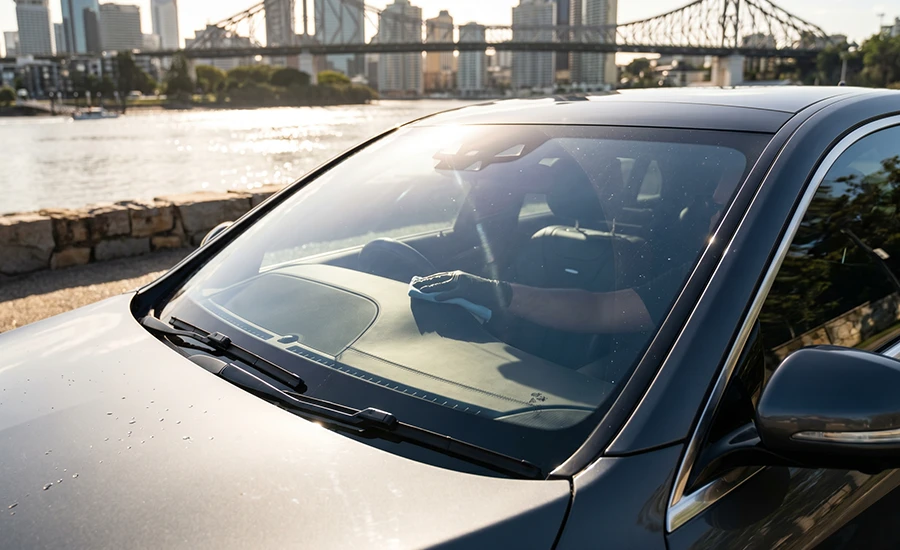
Clear window tinting film is a transparent window tinting film applied to your car windows that blocks harmful UV rays and, depending on the product, rejects a meaningful amount of infrared heat. From the outside, the car looks completely unchanged. From the inside, you get UV and heat protection that untreated glass simply doesn’t provide.
Standard automotive glass blocks a reasonable amount of UVB radiation but does very little to stop UVA. UVA is the wavelength responsible for skin ageing, interior fading, and the cumulative UV exposure that builds up on every drive in the harsh Queensland sun. A quality clear car tint closes that gap without touching the appearance of your car windows.
Who Should Choose Clear Window Film for Cars?
Clear window tint suits a few situations particularly well. If your rear windows already carry a standard window tint but your front car windows don’t, clear tinting film adds UV and heat protection to the front glass without pushing VLT into illegal territory. It’s also one of the only tinting options available for windscreens, where darkening is tightly controlled under Queensland regulations. And for drivers who simply don’t want the look of tinted car windows, it delivers real results without the visible change.
How Clear Window Film for Cars Provides UV Protection Without Tint
UV Protection Without Tint for Queensland Drivers
A quality clear window tint blocks up to 99% of harmful UV rays — including UVA, which standard glass doesn’t adequately stop. That matters for two reasons. First, your skin: UV exposure through car windows is cumulative, and Queensland drivers spend significant time behind the wheel in some of the harshest UV conditions in the world. Second, your interior: UV rays are the primary cause of dashboard cracking, seat fading, and the general deterioration of cabin materials that makes a car look older than it is.
Heat Rejection Benefits of Clear Window Film for Cars
This is where window tinting film options vary considerably. A basic clear tint will block harmful UV rays effectively but do relatively little for heat. A premium ceramic window tinting film rejects a meaningful percentage of infrared heat as well, making a noticeable difference to how cool your car stays even though the glass looks untreated. If heat is a priority, ask specifically about infrared rejection ratings rather than UV blocking figures alone when you’re weighing up your car window tinting options.
How Clear Tint Compares to Standard Window Tint
Clear window tinting film and standard car window tint both block UV rays effectively when the product is quality. The difference is heat rejection and visibility. A darker ceramic window tint will generally outperform a clear tint on infrared heat rejection because more ceramic particles are blocking more of the spectrum. But for drivers who can’t or don’t want darker car windows, a premium clear ceramic window tint is a genuine upgrade over untreated glass — not a consolation prize.
It’s also worth noting that clear tint is not the same as factory glass. Many drivers assume their standard car windows are already doing the job. They aren’t, particularly on UVA. Adding a clear window tinting film to factory glass makes a measurable difference to UV and heat protection even when you can’t see it.
Installation and Longevity
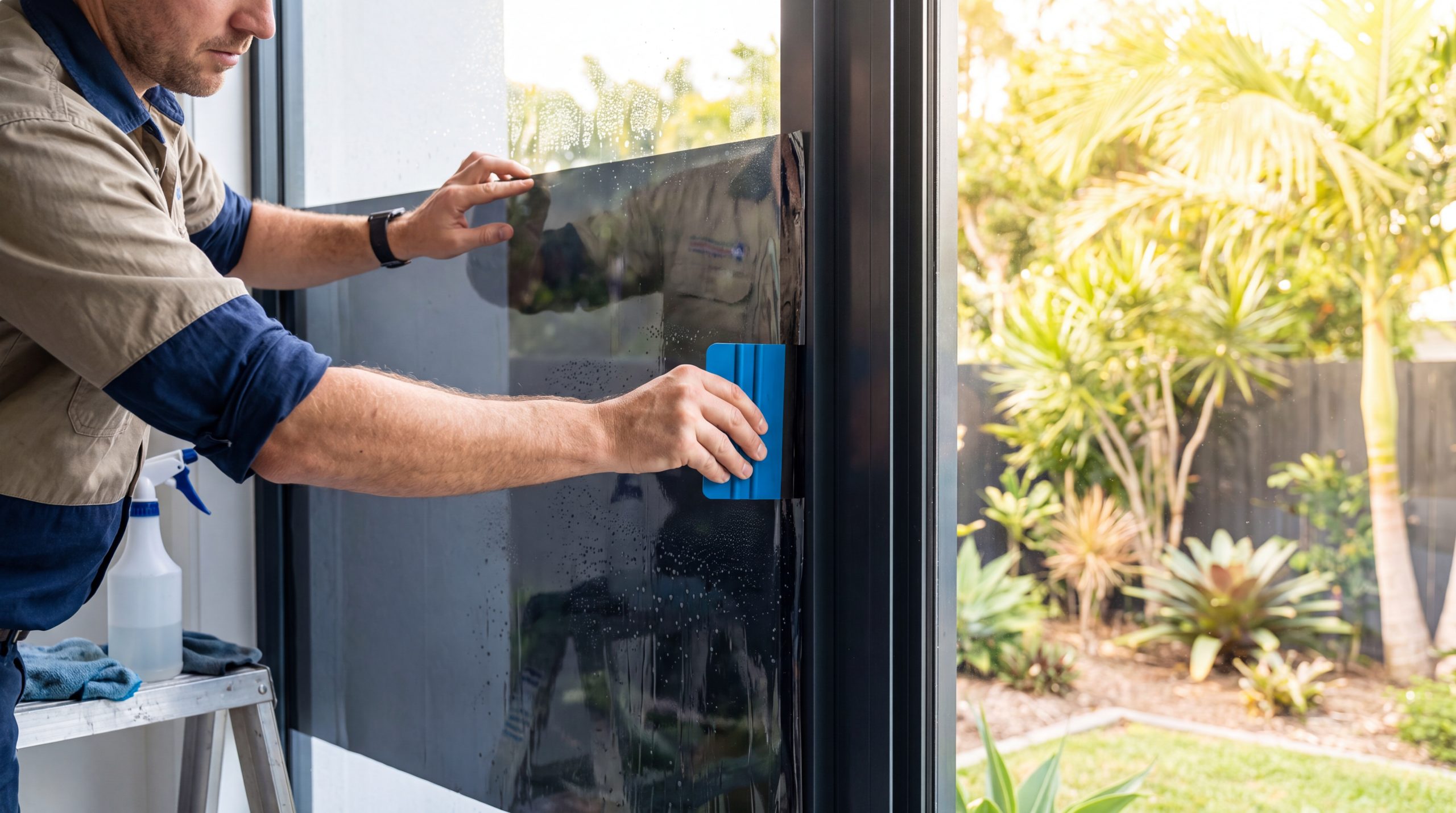
Clear window tinting film is installed the same way as any car tint — applied professionally to the inside surface of your car windows. A quality installation should be invisible: no bubbles, no lifting edges, no haziness. Done correctly, you genuinely cannot tell it’s there.
Longevity depends on the product. A quality clear ceramic window tint from a reputable brand should last many years under normal Queensland conditions. Cheaper window tinting film can yellow or haze over time, which defeats the purpose of choosing a clear tinting option in the first place. This is one area where product quality and professional window tinting services matter considerably. A yellowed tint is worse than no tint at all, and it’s not uncommon with budget products installed without proper care.
Is Clear Tint Worth It in Queensland?
For Queensland drivers, the case is straightforward. You’re operating in one of the highest UV environments in the world, and untreated car windows offer minimal UVA protection and no infrared benefit whatsoever. If you want UV and heat protection where you can’t or don’t want visible window tint, clear tinting film is the only car window tinting option that delivers it without changing the look of your vehicle.
If you’re already booking a window tint for some of your car windows, it’s worth asking about adding clear tinting film to the remaining glass in the same session. The cost difference is modest and the UV and heat protection is meaningful. We have that conversation with customers regularly at Matt Bull Window Tinting — give us a call and we’ll give you straight advice with no pressure (that’s just how we do things).
FAQ
Does clear window tinting film really block UV rays?
Yes, provided it’s a quality product. A good clear car tint blocks up to 99% of harmful UV rays including UVA, which standard automotive glass does not adequately stop. The UV and heat protection is real even though the window tinting film is invisible.
Will clear tint keep my car cooler?
It depends on the product. A basic clear window tint provides UV protection but limited heat rejection. A premium clear ceramic window tinting film also rejects a percentage of infrared heat, helping your car stays cooler on the road. Ask about infrared rejection ratings when selecting tinting options rather than relying on UV figures alone.
Is clear window tinting film legal in Queensland?
Yes. Because it doesn’t reduce visible light transmission through your car windows, clear tinting film can be applied to any window including front side windows and, in many applications, the windscreen. It won’t affect your VLT compliance. Your installer can confirm the specific product complies with Queensland regulations before anything goes on.
Can clear tint be applied to the windscreen?
In most cases, yes. Queensland tint laws restrict how dark a car tint can be on the windscreen, but a clear window tinting film that doesn’t reduce VLT is generally permissible. Discuss the specific product and your vehicle with your installer before proceeding.
How long does clear window tinting film last?
A quality clear ceramic window tint should last for many years under normal conditions. Avoid cheap window tinting film, which can yellow or haze over time. Ask about the specific product being used and what warranty is included in your tinting services before you commit.
Want UV Protection Without Changing the Look of Your Car?
Clear window tinting film is a straightforward, effective solution for Queensland drivers who want real UV and heat protection without visible car window tint. Whether it’s your front car windows, your windscreen, or a vehicle you prefer to keep looking standard, clear tint delivers protection that untreated glass simply can’t match.
Call 1300 Get Tint on 1300 438 846 or reach out through the website. At Matt Bull Window Tinting, we’ll help you find the right window tinting options for your car and situation — straight advice from people who’ve been tinting Brisbane and Ipswich cars for over 30 years.
Related posts:
- Ceramic Tint and Coating Package Queensland: Complete Protection for Your Car
- Paint Protection Films vs Ceramic Coatings: What Lasts Longer?
- Ceramic Coat Myths Explained: The Truth About Ceramic Coating Paint Protection Every Car Owner Should Know
- Privacy Glass vs Window Tint Queensland: Do You Still Need Both?